Root Canal Therapy
Table Of Contents
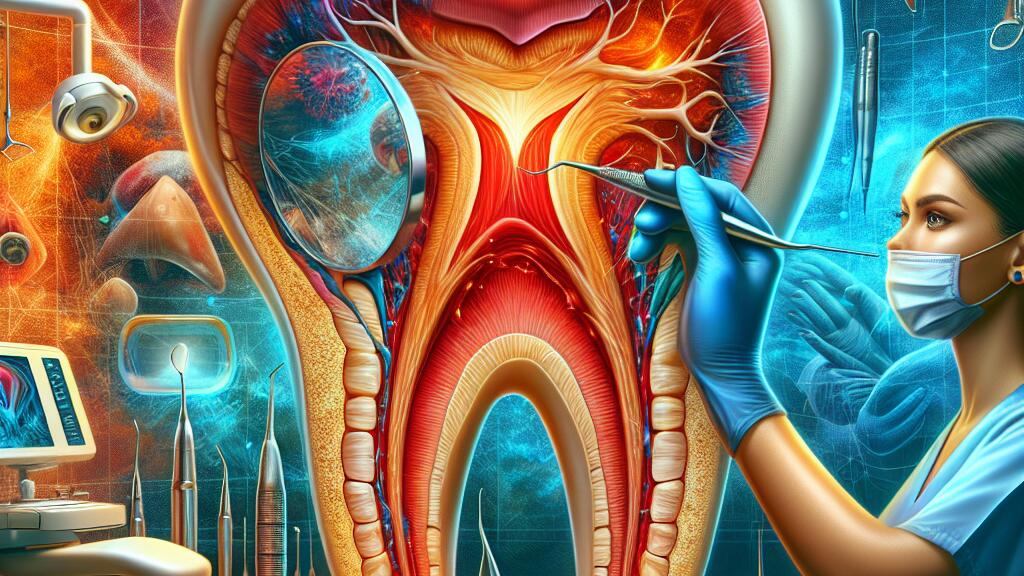
At Smiles For Miles Dentistry Wisconsin, our Root Canal Therapy service is designed to provide patients with exceptional care and comfort while addressing dental infections and preserving natural teeth. Our experienced team uses advanced techniques and technologies to ensure the procedure is as painless as possible, alleviating any discomfort associated with damaged or infected pulp tissue. We prioritize patient education, walking you through every step of the process, so you feel informed and at ease. With a focus on personalized treatment plans, we aim to restore your tooth's function and health, enabling you to enjoy a bright, confident smile for years to come.
Myths and Misconceptions About Root Canals
Many people harbor misconceptions about root canal therapy, often viewing it as a painful and unnecessary procedure. In reality, root canals are designed to relieve pain caused by infection or damage to the tooth's pulp. Most patients report feeling a significant reduction in discomfort after having the procedure. This common myth can prevent individuals from seeking needed dental care, ultimately leading to worse oral health complications.
Another widespread belief is that root canals result in more dental issues in the future. However, when performed by a qualified practitioner, the success rates for root canal therapy are quite high. Many people retain their treated teeth for years or even a lifetime without any significant problems. Proper dental care and regular check-ups further enhance the longevity of the treated tooth, dispelling the notion that root canals jeopardize future dental health.
Clarifying Common Misunderstandings
Root canal therapy often garners a reputation for being a painful and terrifying procedure. Many people believe that the treatment is worse than the pain associated with the infected tooth. In reality, modern dentistry utilizes effective anesthetics and advanced techniques to ensure patient comfort. Most individuals report feeling minimal discomfort during the procedure itself, especially when compared to the pain of an untreated tooth.
Another common misunderstanding is that root canals lead to tooth loss or increased oral health issues. This is far from the truth. A successful root canal can save a tooth and restore its functionality. With proper aftercare and oral hygiene, patients often enjoy their treated tooth for many years, sometimes even for a lifetime. It's essential to recognize that saving a tooth is generally more advantageous than extraction, which may lead to further dental complications.
Aftercare Following a Root Canal
Proper aftercare is essential for a smooth recovery following a root canal. Patients should avoid hard or crunchy foods immediately after the procedure to minimize discomfort and protect the treated tooth. Soft foods like yogurt or mashed potatoes are recommended during the initial healing period. Maintaining good oral hygiene is crucial, but it’s advisable to be gentle around the treated area to prevent irritation or reinjury.
It’s common to experience some discomfort or sensitivity after a root canal. Over-the-counter pain relievers usually suffice to manage any pain. If prescribed medication, take it as directed by your dentist. Keeping an eye on any unusual symptoms, such as persistent pain or swelling, is important. Should these issues arise, contacting the dental office promptly can prevent complications and ensure proper healing.
Tips for Recovery
Recovery after a root canal can vary from person to person, but following a few essential tips can help facilitate the process. Patients should practice good oral hygiene, brushing gently around the treated area and avoiding vigorous rinsing for the first few days. It is important to stick to a soft food diet temporarily, as harder foods can place unnecessary stress on the tooth that recently underwent treatment.
Staying hydrated plays a significant role in recovery. Drinking plenty of water aids in overall healing and can help flush out any remaining anesthesia. Over-the-counter pain relief medication can be taken as directed to alleviate discomfort. Rest is equally crucial; giving the body time to recuperate can speed up healing and minimize potential complications.
Pain Management During and After the Procedure
Pain management is a crucial aspect of the root canal procedure, ensuring patient comfort throughout the treatment. Dentists typically administer local anesthesia to numb the affected area, which helps mitigate discomfort during the procedure. In addition to anesthesia, some dental practices provide sedation options for anxious patients, allowing them to feel more relaxed and less aware of the procedure taking place.
Post-treatment, patients can experience mild discomfort or sensitivity in the treated area. Over-the-counter pain relievers, such as ibuprofen or acetaminophen, are often recommended to help manage any pain. It's important to follow the dentist's instructions regarding medication and to avoid hard or chewy foods for a few days to facilitate a smooth recovery. Keeping in touch with the dental office for any concerns can also ensure any unforeseen complications are addressed promptly.
Techniques for Comfort
Discomfort is a common concern for patients undergoing root canal therapy. Dentists commonly employ local anesthesia to numb the affected area, ensuring that the procedure is as painless as possible. Modern techniques and advanced technology, such as rotary endodontics, allow for a quicker and more efficient treatment, which can significantly reduce anxiety. Patients are encouraged to communicate with their dentist about any discomfort they may experience during the procedure so that adjustments can be made promptly.
Post-procedure pain can often be managed effectively with over-the-counter pain relievers. Following the dentist's specific recommendations regarding medication is key to a smooth recovery. Applying a cold compress to the outside of the face can help minimize swelling and discomfort in the initial days following the treatment. Staying hydrated and avoiding hard, crunchy foods can also aid in a comfortable recovery process.
FAQS
What is a root canal, and why is it necessary?
A root canal is a dental procedure used to treat infection or damage within the pulp of a tooth. It is necessary to remove the infected tissue to save the tooth and prevent further issues, such as abscesses or tooth loss.
Are root canals painful?
Many people believe root canals are painful, but with modern anesthesia and techniques, the procedure is generally no more painful than having a tooth filled. Most patients report feeling little to no discomfort during the procedure.
How long does a root canal take?
The duration of a root canal can vary depending on the complexity of the case, but it typically takes between one and two hours to complete.
What can I expect during recovery after a root canal?
After a root canal, it’s common to experience some tenderness and mild discomfort for a few days. Following your dentist's aftercare instructions, including prescribed pain management, can help ease any discomfort.
Is there any special aftercare I need to follow after a root canal?
Yes, aftercare is important. You should avoid chewing on the treated tooth until your dentist gives you the go-ahead, maintain good oral hygiene, and attend any scheduled follow-up appointments to ensure proper healing.
Served areas in Milwaukee:
Beerline BBrady Street
Bronzeville
Cesar E. Chavez Drive
Center Street Marketplace
Commission Row
Deer District
Downer Avenue
Dretzka Park
East Village
Granville
Hillside Interchange
Historic Water Tower Neighborhood
Lake Interchange
Lindsay Heights
Marquette Interchange
Mitchell Interchange
North Interchange
Park East
River Ridge
Riverview
Stadium Interchange
The Brewery
Theater District
University Hill
West End
Westlawn
West Granville
Zoo Interchange
Served areas in Wisconsin:
West MilwaukeeSouth Milwaukee
Related Links
What does root canal therapy do?How long does root canal therapy take?
Is root canal therapy painful?
Why do people need root canal therapy?