Are tooth colored fillings more expensive?
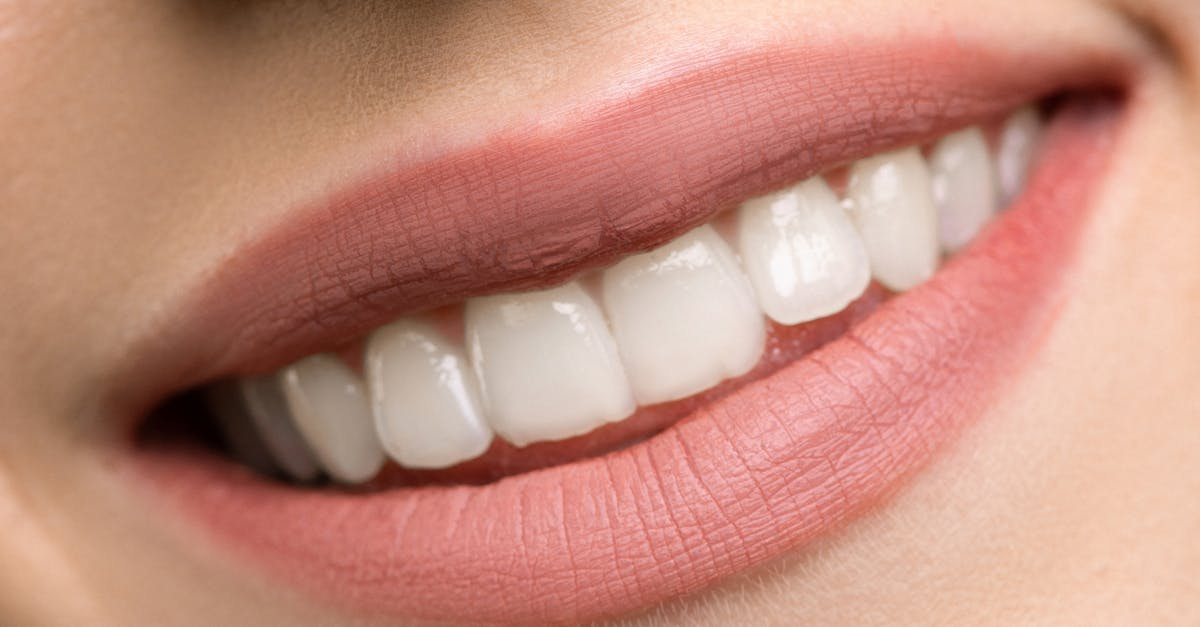
Table Of Contents
Benefits of Tooth Colored Fillings
Tooth-Colored Fillings offer a desirable aesthetic advantage, blending seamlessly with the natural color of teeth. This quality makes them an appealing option for visible areas, such as the front teeth. Patients often prefer this type of filling as it enhances their smile while maintaining a natural appearance. They can feel more confident knowing that their dental work is not easily noticeable.
In addition to their visual appeal, Tooth-Colored Fillings provide excellent durability and can withstand normal chewing forces. These materials are designed to bond effectively to the tooth structure, which helps to support the remaining tooth and reduce the risk of fractures. This strong bond can lead to a longer lifespan for the filling compared to traditional amalgam options.
Aesthetic Considerations
Tooth-colored fillings are often favored for their ability to blend seamlessly with natural teeth. Made from composite resin or porcelain, these materials can be shaded to match the surrounding enamel, creating a more aesthetically pleasing solution for dental restorations. This visual compatibility can enhance a person's smile, especially in visible areas such as the front teeth. Many patients appreciate the boost in confidence that comes from using fillings that look as natural as their surrounding teeth.
The aesthetic appeal of tooth-colored fillings extends beyond their appearance. They can be applied with precision, allowing for more conservative removal of tooth structure compared to traditional amalgam fillings. This technique not only preserves more of the natural tooth but also results in a more flattering appearance. Patients often find that the subtlety of tooth-colored fillings allows them to maintain a bright and healthy smile without the noticeable look of metal restorations.
Potential Drawbacks of Tooth Colored Fillings
Tooth-colored fillings offer a natural appearance but can be more susceptible to wear compared to traditional materials. While they blend seamlessly with the surrounding teeth, this aesthetic advantage may come at the cost of durability. Patients might find that these fillings require more frequent replacements or repairs over time, especially in areas subject to significant chewing pressure.
Additionally, some individuals experience sensitivity after receiving tooth-colored fillings. This discomfort may occur as the material sets or bonds to the tooth surface. The potential for sensitivity can be a concern for those already prone to dental issues. Proper care and maintenance are essential to mitigate these drawbacks and prolong the life of tooth-colored fillings.
Sensitivity and Wear Over Time
Tooth-colored fillings offer a visually appealing option for dental restorations, but they may come with certain limitations regarding sensitivity. Some patients experience heightened sensitivity to temperature changes after receiving these fillings. This sensitivity can manifest as discomfort when consuming hot or cold beverages and may persist for days or weeks following the procedure. In some cases, this reaction can be attributed to the bonding process used to attach the filling to the tooth structure.
Wear over time is another consideration with tooth-colored fillings. Unlike traditional amalgam fillings, which are known for their durability, tooth-colored materials may be susceptible to chipping and degradation. This gradual wear can potentially require replacement sooner than their metal counterparts. Factors such as the location of the filling, patient habits, and oral hygiene can influence the longevity of these restorations. Regular dental check-ups can help monitor the condition of tooth-colored fillings and determine if any adjustments or replacements are necessary.
The Procedure for Getting Fillings
The procedure for getting tooth-colored fillings is generally straightforward. Initially, the dentist will conduct an examination to assess the extent of decay or damage to the tooth. After discussing the findings, the dentist will prepare the affected area by numbing it with a local anesthetic. This step ensures that the patient feels comfortable throughout the process. Once the area is numb, the dentist will remove the decayed tissue and clean the space to ensure proper adhesion of the filling material.
After preparing the tooth, the dentist will apply the tooth-colored filling material in layers. Each layer is individually cured using a special light to harden it. This layering technique not only helps in creating a strong bond but also allows the dentist to shape the filling to mimic the natural contours of the tooth. Once the filling is complete, the dentist will polish it to enhance its appearance and ensure a comfortable bite. Patients can typically resume their daily activities right after the appointment, with few restrictions.
What to Expect During the Appointment
During your appointment for tooth-colored fillings, the dentist will start by examining the affected tooth and discussing the treatment plan with you. They may take digital images or X-rays to assess the extent of the decay. Once you both agree on the approach, the dentist will administer a local anesthetic to numb the area around the tooth. This step ensures that you remain comfortable throughout the procedure.
After numbing, the dentist will carefully remove the decayed material from the tooth. They ensure the tooth is clean and ready for the filling. Tooth-colored fillings are prepared in a way that allows them to bond effectively to the tooth structure. After placing the filling, the dentist will shape and polish it to match the natural contours of your tooth, ensuring a seamless appearance.
FAQS
Are tooth colored fillings more expensive than traditional metal fillings?
Generally, tooth colored fillings are more expensive than traditional metal fillings due to the materials used and the complexity of the procedure.
What factors influence the cost of tooth colored fillings?
The cost of tooth colored fillings can be influenced by factors such as the location of the dental practice, the dentist's experience, the size of the filling needed, and the materials used.
Are tooth colored fillings worth the extra cost?
Many patients find that the aesthetic benefits and natural appearance of tooth colored fillings outweigh the additional cost, especially for visible teeth.
Will insurance cover the cost of tooth colored fillings?
It depends on your dental insurance plan. Some plans may cover tooth colored fillings, but others may only cover traditional metal fillings. It's best to check with your insurance provider for specifics.
How long do tooth colored fillings last compared to metal fillings?
Tooth colored fillings typically last between 5 to 10 years, while metal fillings can last longer, up to 15 years or more. However, the longevity of any filling depends on factors like oral hygiene and the location of the filling.
Related Links
Tooth-Colored FillingsHow long do tooth colored fillings last?
Can you get tooth colored fillings?
What color fillings do dentists use?